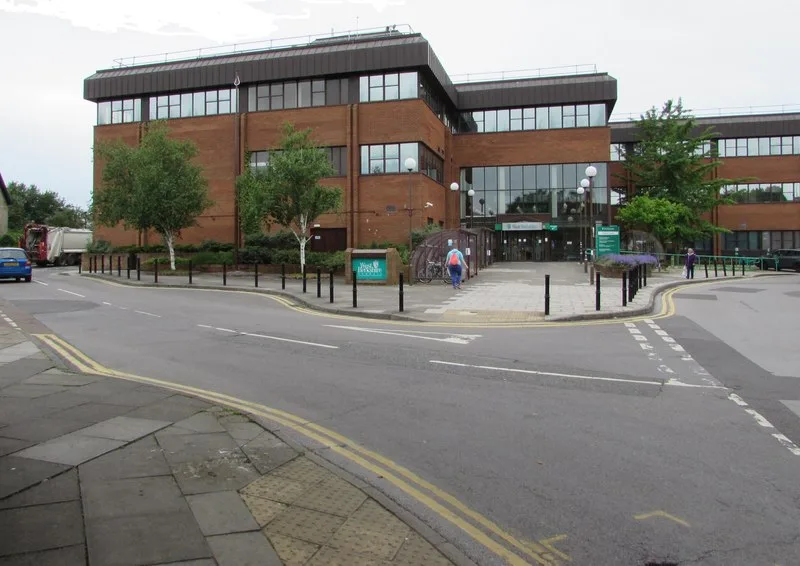

West Berkshire Council forecasts a £9.3m overspend, £8.2m of it in children's services. Its main reserve could fall from just over £10m to about £1m.
West Berkshire Council expects to spend £9.3 million more than its budget this year. Almost all of it is children’s services. The biggest single cause is residential care for children, which now costs more than two and a half times what it did four years ago.
The forecast is in the council’s first-quarter finance report, taken by the Executive on Thursday 24 September. It puts this year’s net spending at £220.2m, against a budget of £210.9m, which is 4.4% over. (West Berkshire Council, 2026/27 Q1 Financial Performance Report)
It matters more than usual because this council is already borrowing to balance its books. The budget set in February only worked with £30m of Exceptional Financial Support from the government. The report says the overspend would push that towards £40m.
Where the money is going
The report says every service except children’s is broadly on budget. Children’s services account for £8.2m of the £9.3m, or 88%.
Inside that, placements for children in care are £9.4m over. Legal and safeguarding costs for care proceedings add £0.3m. Staffing is £1.4m under budget, mainly because of new grant funding.
Residential care is the cause:
- the budget assumed about 24 children in residential care for the year, at an average of £499,000 each
- the forecast now has about 36, at an average of £543,000 each
- that includes five more placements expected before March, at about £3.0m, based on the trend since the budget was set
The report splits the placements overspend in two. £7.8m, or 82%, is more children needing care. £1.7m, or 18%, is higher prices.
Education and special educational needs are another £2.2m over, including £0.3m more on transport to school for pupils with special needs. Other parts of the council are running under budget, which is why the total is £9.3m.
A bill that has more than doubled
The council’s net cost of children’s residential care, year by year:
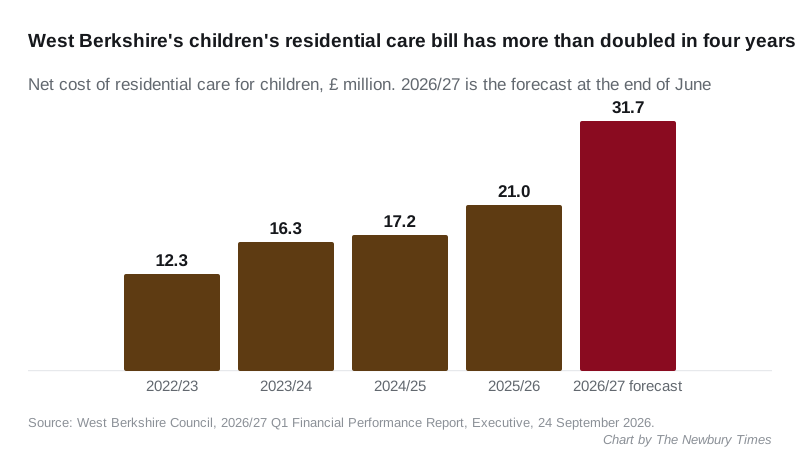
That is £12.3m in 2022/23 and a forecast £31.7m this year. The report puts the growth at 27% a year, compounded over four years.
The council says it is not alone. It cites the National Audit Office, which found that children’s residential care costs have almost doubled across England in recent years. (National Audit Office, Managing children’s residential care, summary)
The report blames the complexity of children’s needs and a national shortage of places for children with the most complex needs. It says the council cannot simply stop: looking after these children is a legal duty.
The council says it is already fighting the cost. Placements are reviewed every week at a spend panel. Its new children’s commissioning team has saved or avoided about £2.7m this year. Across the whole council, savings are forecast to beat their £4.5m target.
The same meeting joined a regional care cooperative
The Executive also agreed to join the South East Regional Care Cooperative. It is run by Home + Future Limited, a not-for-profit company set up by councils in the region. The Department for Education is making councils plan and commission children’s homes together this way, under the Children’s Wellbeing and Schools Act 2026. (West Berkshire Council, Membership of the South East Regional Care Cooperative)
Membership costs £125,000 over three years. The report says the cooperative will focus on:
- slowing price inflation on placements
- cutting the number of placements costing more than £10,000 a week
- using fewer external residential homes and more foster families
The report says membership pays for itself if it prevents one high-cost placement, which it defines as £520,000 a year. That decision can still be called in until 5pm on Friday 2 October.
What happens to the reserves
This is the line residents should read twice.
The council holds a General Fund reserve of just over £10m. The report says that reserve was itself built using earlier Exceptional Financial Support. If the overspend lands in full, it “would effectively reduce the General Fund Reserve to c.£1m”. That is below the level the council’s chief finance officer recommends as financially sustainable.
There is a cushion. The council holds another £4.6m in revenue reserves, also created through that support. Using them would leave the General Fund at about £5.6m instead.
Why £9.3m becomes a borrowing problem
Exceptional Financial Support is not a grant. It lets a council treat day-to-day spending as if it were capital spending, and pay for it by borrowing. The report is explicit that any increase beyond the provisional £30m “will result in higher capital financing costs in future years”.
It also says the support is not guaranteed:
- the council applies each December
- the government decides the following February
- any rise above £30m needs fresh government approval
The longer-term figures in the report show where this goes:
- the council’s borrowing stood at £306.1m on 30 June
- external borrowing is expected to reach £365.6m by March 2027 and £486m by March 2029
- the yearly charge for repaying debt is forecast to rise from £7.1m this year to about £15.3m by 2032/33
- about £6.7m of that later figure is repaying borrowing linked to Exceptional Financial Support
What it means for you
Nothing changes on your council tax bill this year. The 2026/27 bill is set, and our council tax bands page has the figures for every parish.
The pressure shows up next year. A council with between about £1m and £5.6m in its main reserve, and a rising debt charge, has less room when it sets the 2027/28 budget early next year. That is when charges, savings and service levels are decided.
The Executive noted the report. It made no decision to change spending. The next quarterly forecast will show whether the extra placements have arrived as predicted.
The same meeting also backed spending £15m on a council solar farm at Grazeley, which is subject to full council approval through the budget.
Sources
- West Berkshire Council, 2026/27 Q1 Financial Performance Report, Executive, 24 September 2026 for the forecast, the children’s services and placement figures, the residential care history, the reserves, the Exceptional Financial Support position, borrowing and the minimum revenue provision forecast.
- West Berkshire Council, Executive, 24 September 2026, agenda and decisions for the decision to note the report and the Grazeley Solar Farm resolutions.
- West Berkshire Council, Membership of the South East Regional Care Cooperative, Executive, 24 September 2026 for the cooperative, its cost, its priorities and the break-even test; the decision sheet for the call-in deadline.
- National Audit Office, Managing children’s residential care, as cited in the council’s report.
Have your say